
- Sound insulation
- Lighting
- LED Displays
- Sound Systems
- LED Products
- DJ Equipment
- Rent
0
Вход и Регистрация


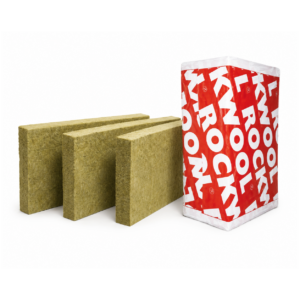
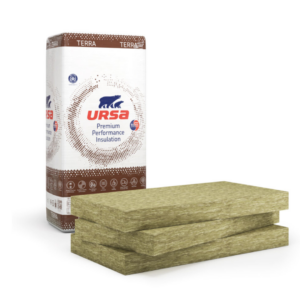
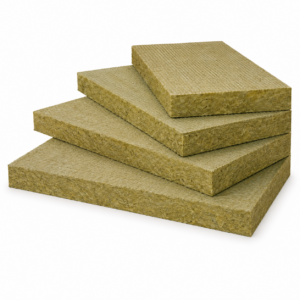
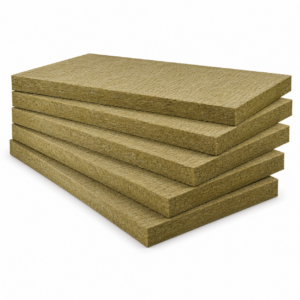
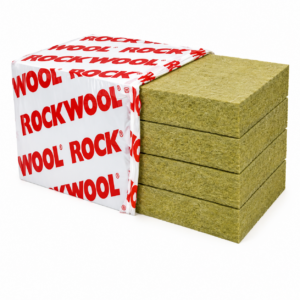
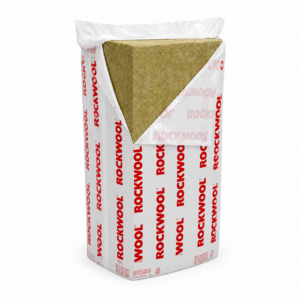
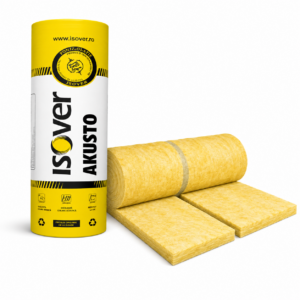
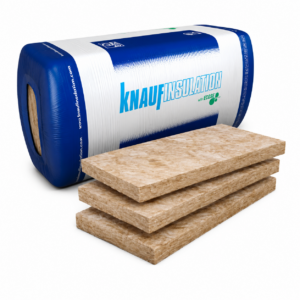
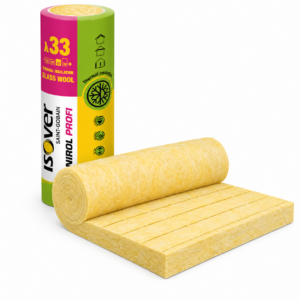
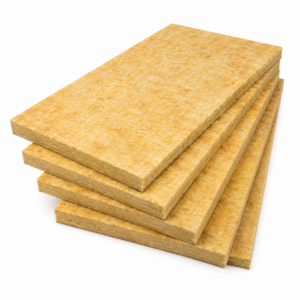
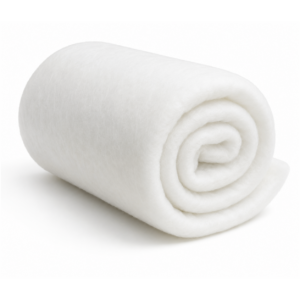
The “Mineral Wool” category includes high-quality solutions for sound insulation and thermal insulation of walls, plasterboard partitions, and ceilings. Mineral wool is one of the safest and most effective choices when the goal is real noise control, improved acoustics, and long-term reliability.
Suitable for:
The difference becomes noticeable from the very first acoustic load.
Mineral wool is available in two main formats:
Suitable for walls and plasterboard partition systems.
Advantages:
More commonly used for ceilings and large surfaces.
Advantages:
The choice between boards and rolls depends on the specific construction and acoustic requirements.
The effectiveness of mineral wool depends on three key factors:
Mineral wool absorbs a wide range of frequencies — from low vibrations passing through concrete slabs to high-frequency sounds such as voices and everyday noise.
Important: cavities and empty spaces act as resonators and reduce effectiveness. Proper filling is critical.
High-quality stone wool and glass wool are non-combustible and resistant to high temperatures.
This makes them a dual-purpose solution:
This is especially important for intermediate partitions, ceilings, and structures containing installations.
Proper installation determines the final result.
Good sound insulation is not just about the material, but about the entire system.
Both types provide excellent sound insulation, and the choice depends on the specific project.
Typically, 50–75 mm is sufficient for standard walls. For higher performance requirements, 100 mm is recommended. Density is just as important as thickness.
No. Mineral wool is a key component, but it works best in combination with plasterboard, decoupled profiles, and anti-vibration connections.
For decades. It does not develop mold, sag, or lose its properties when properly installed.
Yes. In addition to sound insulation, mineral wool also provides extra thermal insulation.